

Cinema Seating Solutions for Modern Theatres
Standard and Recliner Systems Explained
The cinema industry is evolving with a clear shift toward comfort, durability, and long-term value. Whether for independent theatres or large multiplex projects, choosing the right cinema seating has become a strategic decision rather than a simple procurement step. Today, operators are evaluating both standard cinema seats and recliner systems to create environments that meet modern audience expectations while maintaining operational efficiency.
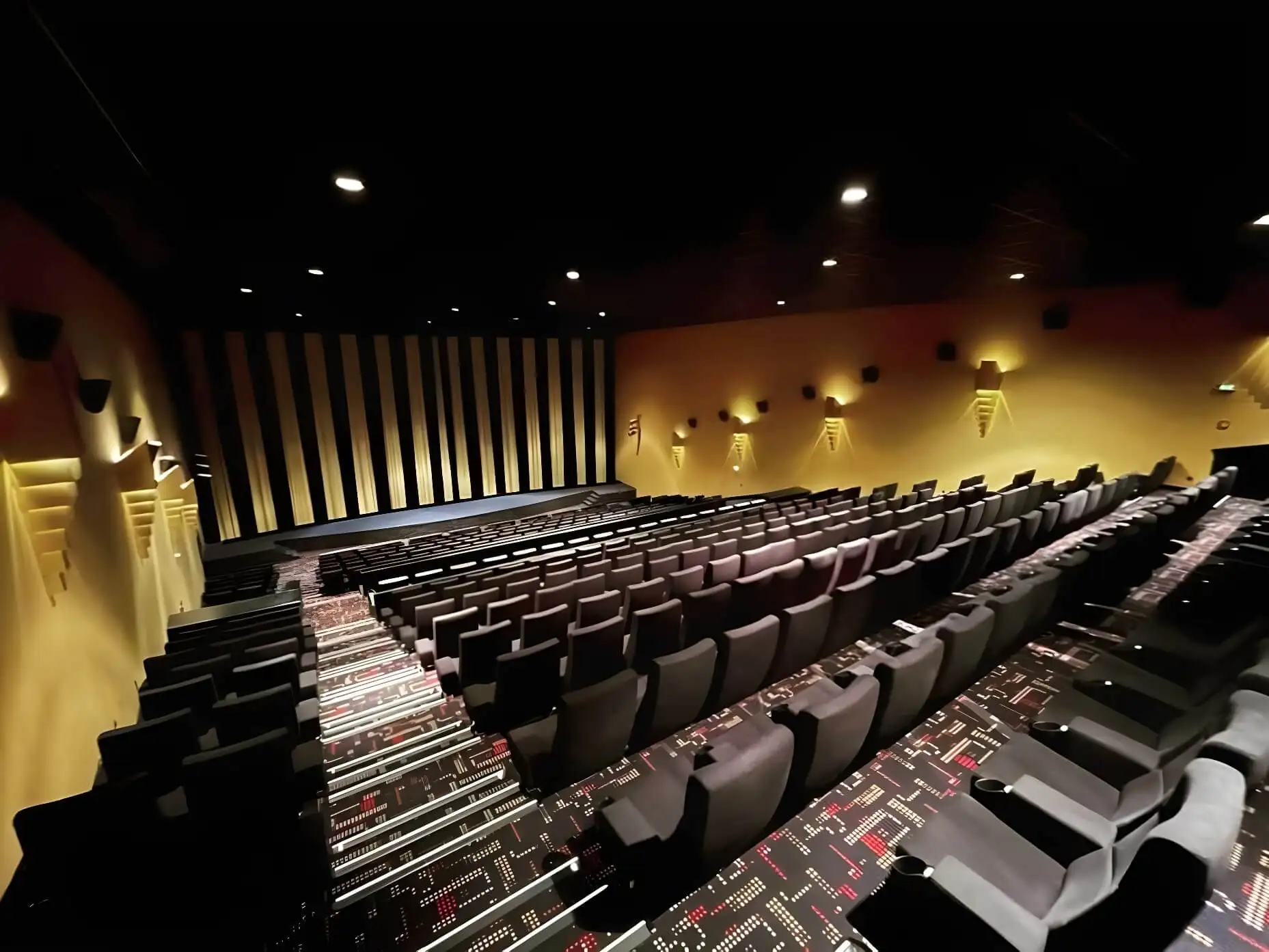
Standard cinema seating continues to be the backbone of many cinema halls across Europe and international markets. These seats are designed to maximize capacity while providing reliable comfort and durability. With foldable seat mechanisms, optimized row spacing, and efficient layouts, standard cinema seats allow operators to accommodate a larger number of viewers without compromising functionality. This makes them especially suitable for high-capacity auditoriums, public venues, and projects where seat count directly impacts revenue.
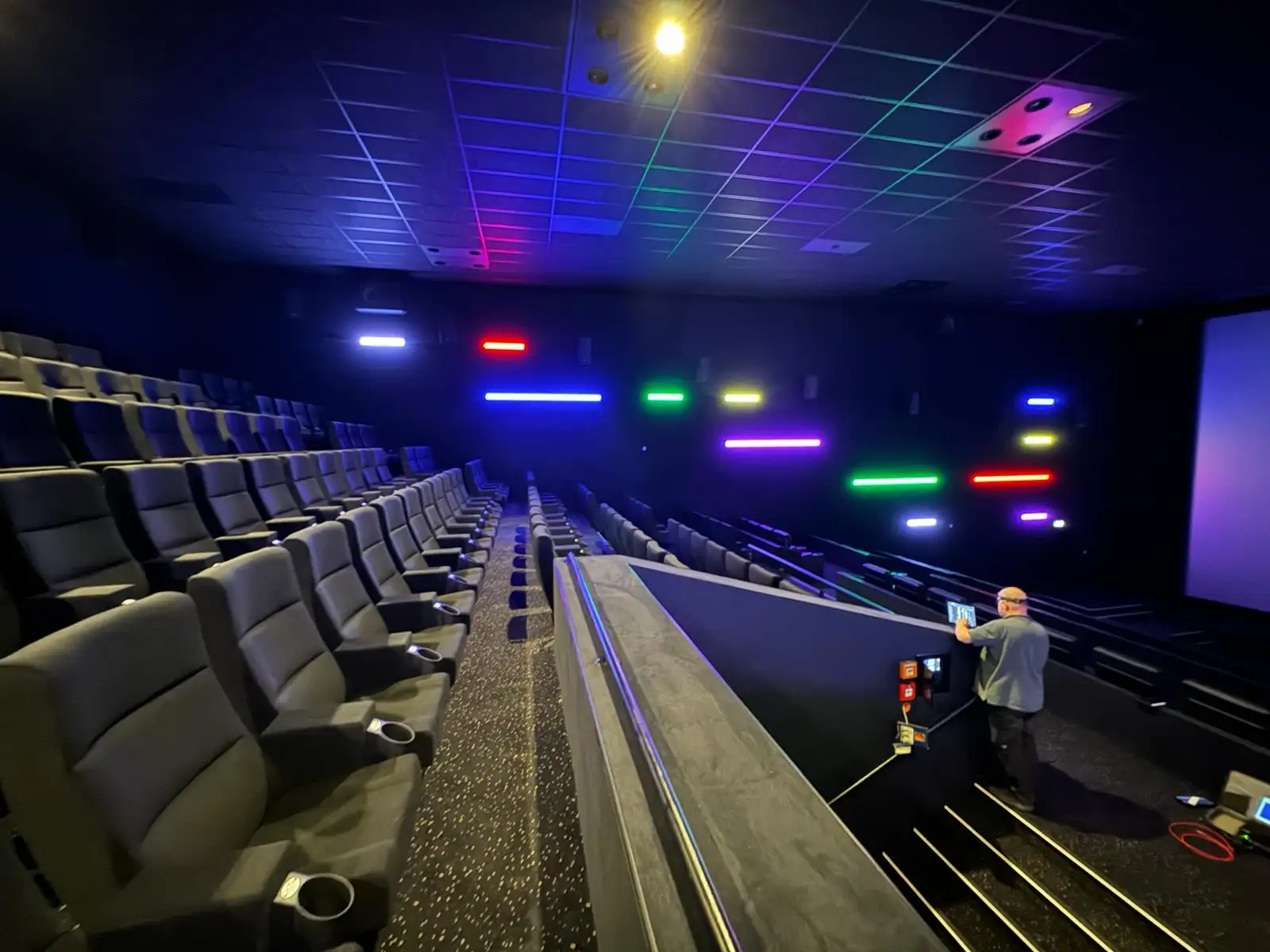
On the other hand, recliner cinema seating represents a more premium approach. Recliners are designed to enhance the viewing experience by offering adjustable backrests, extended leg support, and a more relaxed seating position. This level of comfort transforms cinema visits into a personalized experience, allowing operators to position their venues as high-end destinations. In many markets, especially across Europe and the Middle East, recliner seating has become a key differentiator for cinemas looking to stand out.
The decision between standard and recliner seating is not always about choosing one over the other. In many successful cinema projects, both systems are integrated within the same complex. Standard seating is used in larger halls to maintain capacity, while recliner seating is implemented in premium auditoriums to offer a higher-value experience. This hybrid approach allows operators to target different audience segments and maximize overall profitability.
Durability remains a critical factor in both seating types. Cinema environments require products that can withstand continuous use over many years. Strong internal metal structures, high-density molded foams, and reinforced components ensure that seats maintain their form and functionality even under heavy usage. This reduces maintenance costs and ensures consistent performance throughout the product lifecycle.
Material quality is equally important. Upholstery materials such as fabric, artificial leather, and genuine leather are selected based on both aesthetic and technical criteria. One of the most essential features is flame-retardant performance. In public venues like cinemas, compliance with fire safety standards is mandatory. Flame-retardant fabrics and leathers not only meet regulatory requirements but also contribute to a safer environment for all users.
In addition to fire safety, upholstery materials are designed to resist wear, staining, and daily impact. Easy-to-clean surfaces and long-lasting finishes help maintain a clean and professional appearance over time. This is particularly important for cinemas that operate at high occupancy levels and require efficient maintenance processes.
Ergonomics plays a central role in cinema seating design. Standard seats are engineered to provide balanced support with optimized backrest angles and seat depths, ensuring comfort during long screenings. Recliner systems take this a step further by allowing users to adjust their seating position, reducing pressure points and enhancing relaxation. In both cases, the goal is to support the body naturally and minimize distractions during the viewing experience.
Technology integration is another aspect shaping modern cinema seating. Recliner seats often include electric mechanisms for smooth and silent adjustment, as well as optional features such as USB charging ports, cup holders, and integrated accessories. Even standard seating systems can be equipped with numbering solutions, row identification, and additional functional elements to improve usability.
Flexibility in design and configuration is essential for adapting to different project requirements. Cinema halls vary in size, layout, and architectural constraints, which means seating systems must be customizable. Both standard and recliner seats can be configured in terms of width, spacing, materials, and accessories. This allows cinema operators to create tailored solutions that align with their brand identity and target audience.
Acoustic performance is another factor influenced by seating design. The materials and structure of cinema seats contribute to sound absorption within the hall. Properly designed seating helps maintain balanced acoustics, ensuring that audio quality remains clear and consistent across all seating positions. This is particularly important in modern cinemas where sound systems play a crucial role in the overall experience.
From a business perspective, cinema seating directly impacts revenue generation. Standard seating allows for higher capacity and is ideal for maximizing ticket volume, while recliner seating enables premium pricing and enhanced customer loyalty. By combining both approaches, operators can create a diversified offering that appeals to a wider audience.
Long-term reliability and after-sales support are also key considerations. Investing in high-quality seating is only valuable if the product performs consistently over time. Reliable mechanisms, durable materials, and well-engineered components reduce the risk of failure and minimize downtime. In addition, accessible maintenance solutions and replaceable parts ensure that seating systems remain functional and visually appealing for years.
Sustainability is becoming increasingly important in the cinema industry. Durable seating systems contribute to reduced waste by extending product lifespan. The use of recyclable materials and environmentally responsible production processes further supports sustainability goals. Cinema operators are increasingly prioritizing solutions that combine performance with environmental responsibility.
The visual impact of cinema seating should not be underestimated. Seating design contributes significantly to the overall atmosphere of the auditorium. Clean lines, high-quality finishes, and cohesive color schemes create a professional and inviting environment. Whether using standard seats or recliners, the visual presentation of the seating system plays a role in shaping customer perception.
Ultimately, both standard cinema seating and recliner systems have their place in modern cinema projects. The key is to understand the specific needs of the venue and select the right combination of solutions. By focusing on durability, comfort, safety, and flexibility, cinema operators can create environments that deliver long-term value and meet the expectations of today’s audiences.
As the industry continues to evolve, seating will remain one of the most important elements of cinema design. Investing in well-engineered, flame-retardant, and ergonomically optimized seating solutions ensures not only a better viewing experience but also a stronger and more sustainable business model.
Created By : Simko Cinema Seating